


Nepal is home to some of the most breathtaking landscapes on Earth. From the lush hills of the midlands to the towering Himalayas, the country attracts thousands of adventurers every year. Among all the natural wonders of Nepal, Mount Everest stands as the ultimate symbol of exploration, courage, and human endurance. However, Everest is not only famous for its height and beauty. The mountain is also known for stories that remind us of the immense challenges hidden behind every successful summit. One of the most talked-about stories is that of the “Sleeping Beauty of Mount Everest.”
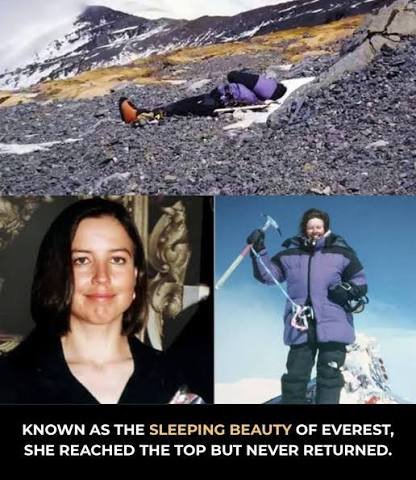
The term “Sleeping Beauty” is associated with Francys Arsentiev, an American mountaineer whose tragic story became part of Everest’s history. She became known among climbers after her body remained visible on the mountain for years following her death in 1998. Because of the position in which she was found, many climbers referred to her as “Sleeping Beauty.”
Understanding Mount Everest
Mount Everest, known locally as Sagarmatha in Nepal, rises to an elevation of 8,848.86 meters above sea level. It is located in the Mahalangur Himal range on the border between Nepal and Tibet. Every year, thousands of trekkers visit the Everest region to experience the beauty of the Himalayas, while hundreds of climbers attempt to reach the summit.
The Everest region offers incredible attractions such as Everest Base Camp, Kala Patthar, Namche Bazaar, Tengboche Monastery, and breathtaking views of surrounding peaks including Lhotse, Nuptse, Ama Dablam, and Pumori. Travelers from around the globe visit this region not only for adventure but also to experience Sherpa culture and Himalayan hospitality.
Who Was Francys Arsentiev?
Francys Arsentiev was a skilled American mountaineer with a dream of achieving something extraordinary. In May 1998, she successfully reached the summit of Mount Everest without using supplemental oxygen, becoming the first American woman known to accomplish this feat. However, the descent proved far more difficult than the ascent. During her return from the summit, she suffered severe exhaustion, extreme cold exposure, and the effects of high altitude. Unfortunately, rescue efforts at such extreme elevations are incredibly difficult, and she lost her life on the mountain.
Her story remains one of the most emotional chapters in Everest history and continues to be discussed by climbers and adventure enthusiasts around the world.
Why Is She Called “Sleeping Beauty”?
The nickname “Sleeping Beauty” emerged because Francys’s body appeared as though she were peacefully resting on the mountainside. Climbers who passed the location during subsequent expeditions often described the sight as both haunting and heartbreaking. Over time, the name became widely known within mountaineering communities, although many people believe it does not fully reflect her achievements as an accomplished climber.
The nickname spread through climber accounts, travel discussions, documentaries, and online forums, making it one of the most recognized stories connected to Mount Everest.
The Harsh Reality of Everest’s Death Zone
One reason the story of Sleeping Beauty became so famous is that it highlights the harsh reality of Everest’s “Death Zone.” This area lies above 8,000 meters, where oxygen levels are critically low. At such elevations, the human body begins to deteriorate rapidly. Simple tasks become exhausting, decision-making becomes impaired, and rescue operations become extremely dangerous.
Many climbers who encounter difficulties in the Death Zone cannot be rescued easily because every person involved in a rescue mission faces life-threatening risks. The story of Francys Arsentiev serves as a reminder of the extreme conditions that mountaineers face while pursuing their dreams.
Visiting the Everest Region Today
Although the story of Sleeping Beauty is tragic, it should not overshadow the incredible beauty of the Everest region. Today, thousands of trekkers complete the Everest Base Camp Trek each year. The journey takes visitors through picturesque Sherpa villages, suspension bridges, alpine forests, and spectacular mountain scenery.
Popular highlights of the Everest region include:
- Everest Base Camp
- Kala Patthar viewpoint
- Namche Bazaar
- Tengboche Monastery
- Khumbu Glacier
- Sagarmatha National Park
Travelers can enjoy stunning sunrise views, learn about Sherpa traditions, and witness some of the most dramatic mountain landscapes in the world.
Travel Tips for Everest Region Visitors
If you plan to visit the Everest region, preparation is essential. Proper acclimatization is necessary to avoid altitude sickness. Travelers should maintain a slow pace, stay hydrated, and follow the guidance of experienced trekking guides.
The best seasons to visit are spring (March to May) and autumn (September to November). During these months, weather conditions are generally stable, and mountain views are at their best.
It is also important to respect local culture and the mountain environment. The Himalayas are not only a tourist destination but also a sacred homeland for local communities who have lived in the region for generations.
A Legacy Beyond Tragedy
The story of the Sleeping Beauty of Mount Everest is ultimately a story of determination, ambition, and the risks associated with high-altitude mountaineering. Francys Arsentiev achieved something remarkable by reaching the summit without supplemental oxygen, and her legacy continues to inspire climbers worldwide. At the same time, her story reminds us that nature demands respect and that even the strongest adventurers must face the realities of the mountains.
For visitors traveling to Nepal, Everest remains a place of wonder, inspiration, and unforgettable beauty. Beyond the records and achievements, it is a mountain filled with human stories—stories of courage, sacrifice, and dreams that continue to captivate the world. The tale of the Sleeping Beauty of Mount Everest remains one of the most powerful among them, ensuring that her memory lives on in the history of the world’s highest peak.
